
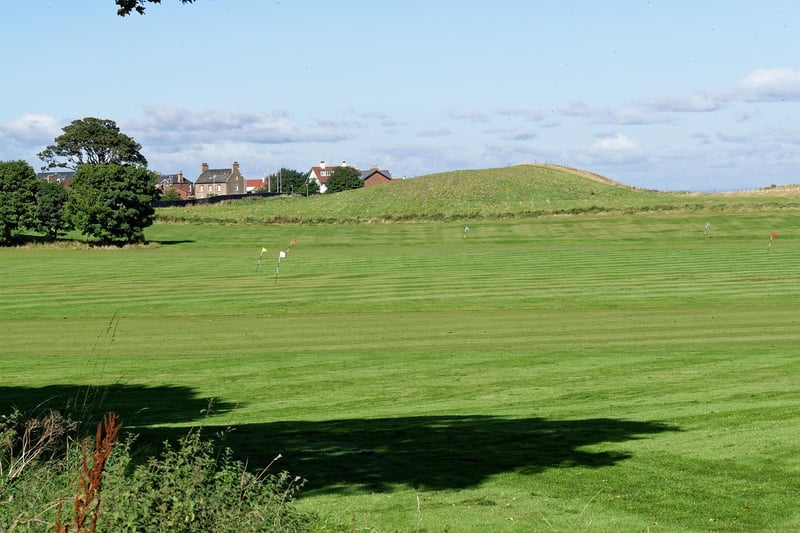
Eco-Friendly Design Options and Green Building Practices
When it comes to designing a space, incorporating eco-friendly elements not only helps reduce the environmental impact but also creates a healthier and more sustainable environment. Green building practices focus on energy efficiency, water conservation, and the use of environmentally friendly materials. Here are some eco-friendly design options and green building practices to consider:
1. Energy-Efficient Lighting
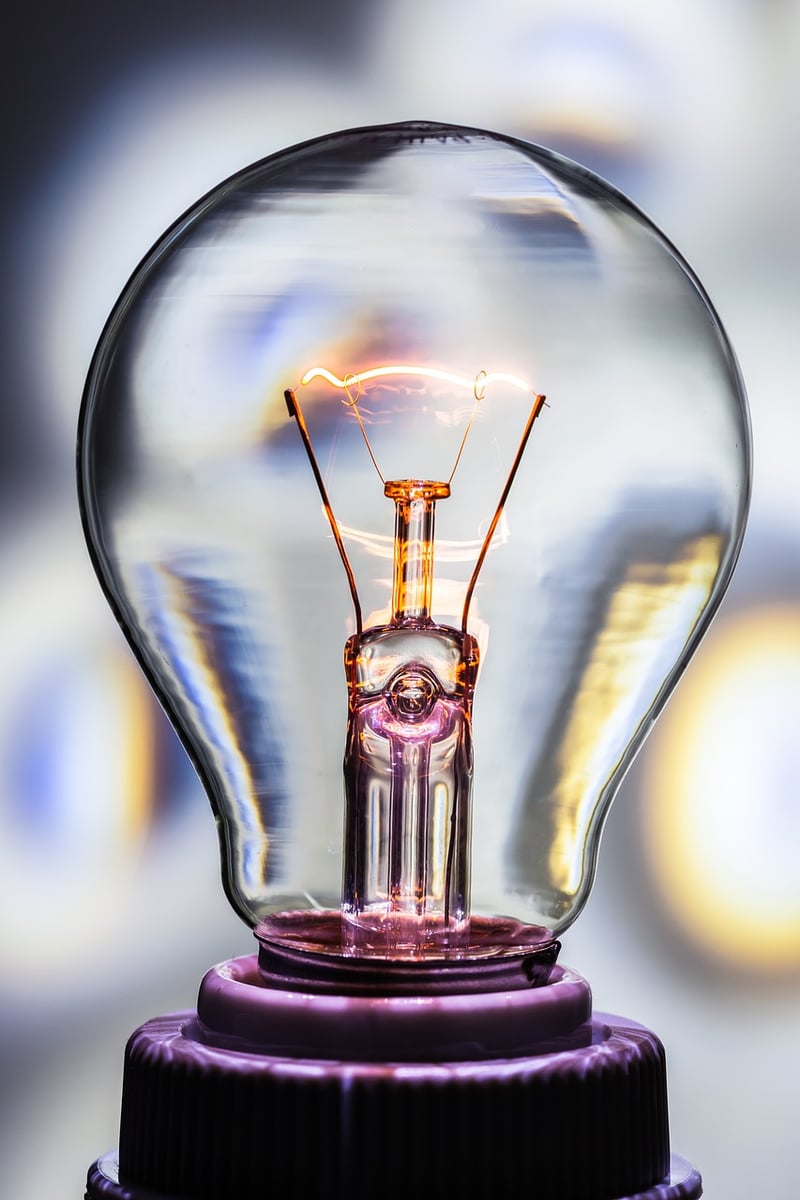
Switching to LED lights can significantly reduce energy consumption. LED bulbs last longer and use less electricity compared to traditional incandescent bulbs.
2. Solar Panels
Installing solar panels on the roof can harness the power of the sun to generate electricity. This renewable energy source can help reduce utility bills and lower carbon emissions.

3. Rainwater Harvesting
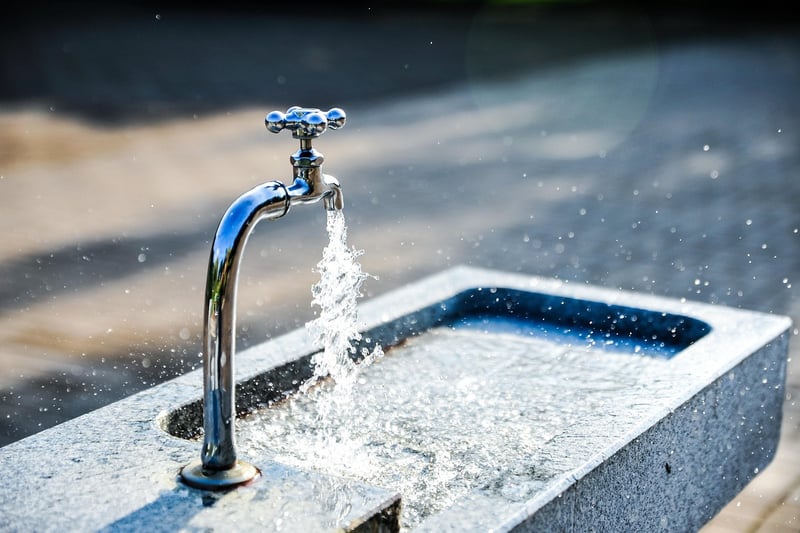
Collecting rainwater for non-potable uses like watering plants or flushing toilets can help conserve water. It reduces the demand on municipal water sources and lowers water bills.
4. Green Roof
A green roof is covered with vegetation, which helps reduce heat absorption, provides insulation, and promotes biodiversity. It also improves air quality and reduces stormwater runoff.
5. Sustainable Materials
Choose eco-friendly materials like bamboo, reclaimed wood, cork, or recycled metal for construction and furnishings. These materials are renewable, non-toxic, and have a lower environmental impact.

By incorporating these eco-friendly design options and green building practices into your space, you can create a more sustainable and environmentally conscious environment while also reducing your carbon footprint.
For more information on eco-friendly design and green building practices, check out US Green Building Council.