
The Power of Virtual Reality in Design Exploration and Visualization
In the realm of design, the ability to explore concepts and visualize ideas is crucial for creating innovative and impactful work. Virtual Reality (VR) technology has emerged as a powerful tool that revolutionizes the way designers explore their ideas and communicate with clients.
Enhancing Design Exploration
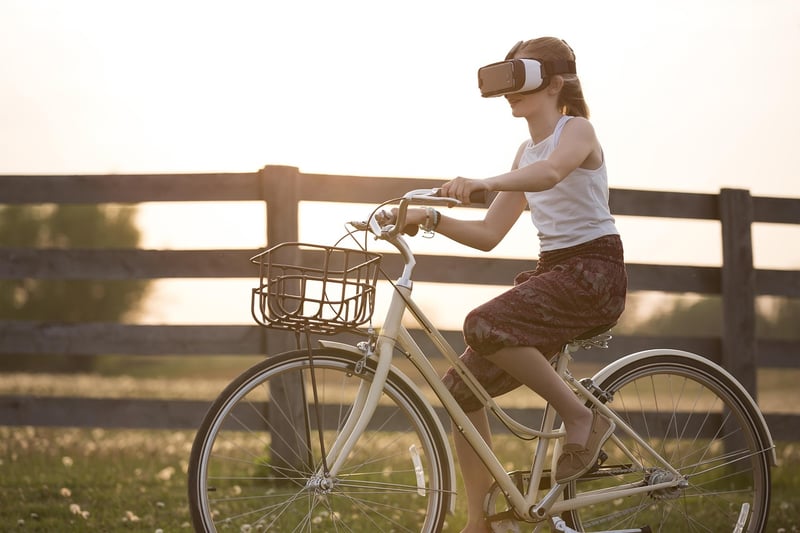
VR allows designers to immerse themselves in a 3D environment, providing a sense of scale and space that traditional 2D sketches or computer models cannot match. By putting on a VR headset, designers can walk through their designs, making real-time adjustments and experiencing the space from different perspectives.
Improving Design Visualization
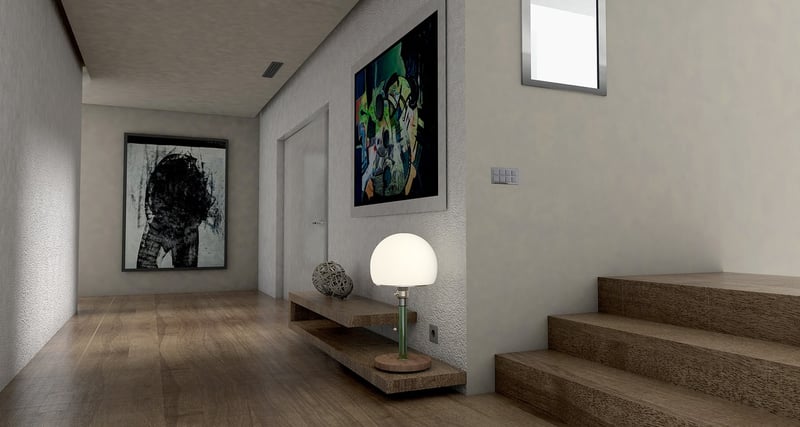
When presenting design concepts to clients, VR offers a more immersive and engaging experience than traditional renderings or blueprints. Clients can put on a VR headset and virtually walk through a building, interior space, or product before it is even built, providing a deeper understanding of the design intent.
Benefits of VR in Design
- Enhanced spatial awareness
- Real-time design modifications
- Improved client communication
- Cost and time savings
Future Implications
As VR technology continues to advance, the possibilities for design exploration and visualization are endless. From architectural walkthroughs to interactive product prototypes, VR is reshaping the design industry and pushing the boundaries of creativity.
Embrace the power of Virtual Reality in design today and unlock a new dimension of creativity and innovation!
References: ArchDaily - The Use of Virtual Reality in Architecture